Understanding Why Pests Appear in Commercial Interiors
Indoor plant pests rarely show up by accident. In commercial spaces, they usually appear because conditions quietly work in their favor. Warm temperatures, consistent watering schedules, and shared air circulation create an environment where pests can spread faster than you expect. When plants are placed close together in lobbies, offices, or waiting areas, insects move easily from one pot to another. You may not notice early signs right away because pests often start on the undersides of leaves or near the soil line. By the time leaves begin to discolor or curl, the problem has already taken hold. Understanding why pests appear helps you stay proactive rather than reactive. When you know that indoor pests thrive on consistency and low disruption, you can adjust care habits to interrupt their life cycle before they become a visible issue.
Choosing Plants and Soil That Reduce Pest Risk
Prevention starts before a plant ever enters your space. Some plant varieties are more susceptible to pests than others, especially in commercial environments with stable temperatures and limited airflow. When you choose plants with thicker leaves and slower growth patterns, you reduce the chances of pests settling in unnoticed. Soil selection matters just as much. Poor-quality soil or reused potting mix can carry eggs or larvae that activate weeks later. You want clean, well-drained soil that supports healthy roots without staying too damp. Moist soil that never dries out creates ideal conditions for insects to multiply. By starting with the right plants and clean growing materials, you set a strong foundation that makes pest problems far less likely from the start.
Managing Plant Placement and Airflow
How and where you place plants plays a major role in pest control. When plants are crowded together, pests spread faster and become harder to isolate. Spacing plants properly allows air to circulate and reduces humidity around leaves. Even small adjustments in placement can lower pest activity. You should also be mindful of vents, doors, and entry points. Pests often enter commercial spaces through open doors or hitch rides on deliveries. Plants placed near these areas face a higher risk of exposure. Rotating plants occasionally and adjusting their position helps disrupt pest patterns and prevents insects from settling into a predictable environment. Thoughtful placement turns your layout into part of your prevention strategy rather than a hidden weakness.
Reinforcing Brand Identity Through Design Choices
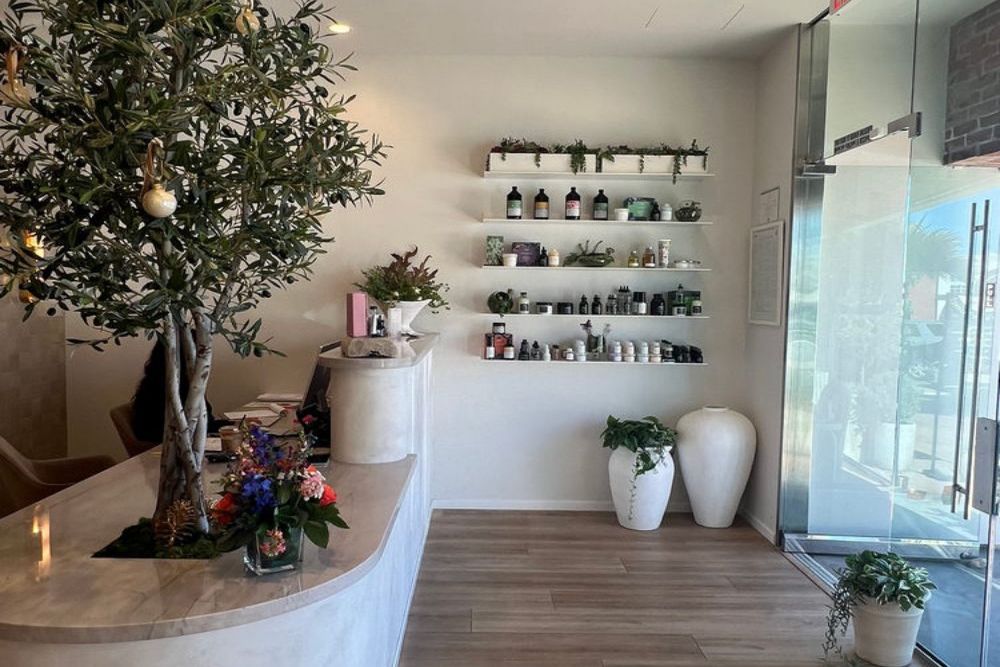
Every design choice in your lobby reflects your brand, and plants are no exception. The type of greenery you choose, the containers you use, and the way everything is arranged should align with your overall style. Clean, modern planters support a sleek brand image, while fuller arrangements can create a warmer feel. When your interior plant design aligns with your brand values, it reinforces consistency throughout your space. Visitors may not consciously analyze these details, but they notice when everything feels aligned. Plants that look healthy and well cared for suggest stability and reliability. This helps build trust before a single word is exchanged. Your reception area becomes part of your story, not just a place people pass through.
Maintaining Long-Term Plant Health With Professional Support
Preventing indoor plant pests is not about reacting to problems. It is about maintaining consistent care that keeps plants healthy and resilient over time. In busy commercial environments, this level of attention can be difficult to manage internally. A professional plant maintenance plan helps ensure plants receive proper inspection, cleaning, and care before pests ever become visible. If you want to elevate your space while supporting an eco-conscious approach, expert maintenance makes a measurable difference. Contact Greenleaf IPS at (858) 488-0611 to learn how professional care can help extend the life of your interior plants, reduce pest issues, and keep your commercial space looking clean, polished, and welcoming year-round.