Recognizing the Signs That a Plant Is Beyond Recovery
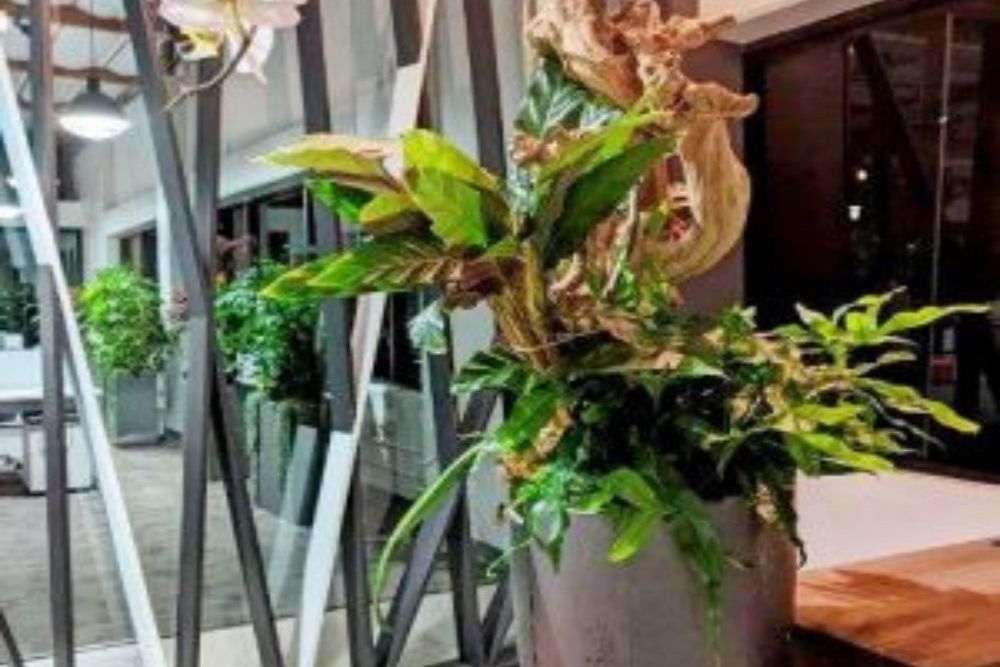
Indoor plants do not always bounce back, even when you give them water, light, and attention. You can usually tell when a plant has reached a point where recovery is unlikely by looking at its overall structure. If most of the stems feel soft or brittle, or the roots smell unpleasant, the plant is under severe stress. Leaves that keep falling off, even after adjustments to care, are another red flag. You might also notice that new growth never appears, no matter how patient you are. When a plant loses its ability to support healthy leaves or stems, reviving it can become a frustrating cycle. Instead of improving your space, it can make your interior feel neglected. Knowing when to step back and assess the bigger picture helps you avoid wasting time and energy on a plant that no longer adds value to your environment.
Understanding When Care Changes Are No Longer Enough
Sometimes you do everything right and still see no improvement. You adjust watering habits, move the plant closer to light, or repot it with fresh soil, yet nothing changes. This usually means the plant has suffered damage that simple care cannot fix. Long-term root issues, repeated stress from poor lighting, or extended periods of dryness can permanently weaken a plant. When these problems stack up, the plant may survive for a while but never truly recover. At this point, keeping it around can affect the look and feel of your space. You want greenery that feels fresh and intentional, not something that constantly reminds you of a failed fix. Understanding that not every plant responds to care changes allows you to make smarter choices for maintaining a clean, healthy interior.
Balancing Emotional Attachment With Practical Decisions
It is easy to get attached to indoor plants, especially if you have cared for them over time. You may feel tempted to keep trying because you remember how good the plant once looked. However, holding on too long can work against your goal of creating a welcoming environment. When a plant no longer contributes visually or structurally, it can drag down the overall appearance of your space. Replacing a struggling plant does not mean you failed. It means you are choosing what works best for your environment right now. By letting go of plants that no longer thrive, you open the door to healthier options that better match your lighting, layout, and routine. This balance between care and practicality keeps your space looking consistent and well-managed.
Choosing Replacement Plants That Fit Your Environment
When you decide to replace an indoor plant, you can make a better match for your space. You can evaluate lighting levels, airflow, and maintenance expectations before bringing in something new. Choosing plants suited to your actual conditions reduces the risk of repeating the same issues. Low-light plants, slow growers, or varieties with sturdy leaves often perform better indoors. You also gain the chance to refresh your layout and improve visual balance. A new plant can instantly lift a room’s mood and restore a sense of order. By learning from past challenges, you create an environment where plants support your space instead of demanding constant attention.
Creating a Long-Term Plan for Healthy Indoor Plants
Replacing plants at the right time is part of a bigger strategy to keep your interior looking polished and inviting. Instead of reacting to problems, you can focus on long-term care that supports plant health from the start. If you want to elevate your space and take a more eco-conscious approach, a professional plant maintenance plan can help you avoid unnecessary replacements while keeping your greenery strong. Contact Greenleaf IPS at (858) 488-0611 to learn how expert care can extend the life of your indoor plants and support a cleaner, healthier environment that reflects quality and sustainability.