Understanding Low-Light Conditions in Your Office
Low light does mean no light; it means your office relies more on indirect or filtered illumination rather than bright sunlight. Before choosing plants, you need to recognize what kind of light your space actually offers throughout the day. North-facing windows, shaded interiors, or offices lit mainly by overhead fixtures all count as low-light environments. In these settings, plants must work harder to maintain their shape and color. When you understand this, you can avoid picking varieties that stretch, thin out, or lose leaves over time. You want plants that naturally grow slower and stay compact, even when sunlight is limited. Paying attention to light direction, distance from windows, and how long lights stay on each day helps you make smarter choices that keep your office greenery looking intentional rather than tired.
Choosing Plants That Stay Full Without Bright Sun
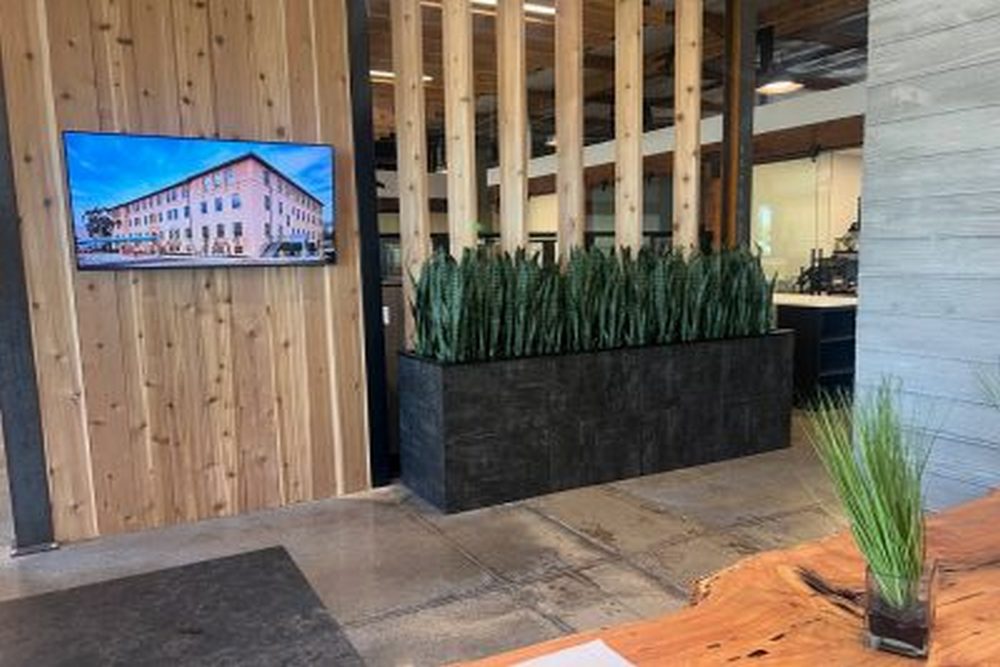
Some plants are adapted to low-light conditions and still maintain a lush, balanced appearance. When you select plants for your office, focus on varieties known for strong leaf structure and steady growth. Broad-leaf plants tend to reflect more light, helping them stay healthy even when illumination is minimal. Upright growers can also work well because they hold their shape without sprawling. You should avoid plants that demand frequent sun exposure or constant rotation to stay even. Instead, choose options that look good from all sides and do not rely on direct sunlight to maintain their shape. The goal is to fill your office with greenery that feels calm and polished, not plants that need constant attention just to survive.
Paying Attention to Pot Size and Placement
Plant health in low-light offices is not just about the plant itself. Pot size and placement play a huge role in how full and healthy your plants look. When a plant sits in a pot that is too large, excess moisture can linger, causing stress. When the pot is too small, roots feel cramped, and growth slows. You want a balanced fit that supports steady development. Placement matters just as much. Even in low light, small changes in distance from a window or light source can make a difference. Position plants where they receive consistent, gentle light rather than sharp contrasts. By pairing the right pot with thoughtful placement, you help your plants maintain their shape and avoid uneven growth.
Maintaining a Healthy Look With Simple Care Habits
Low-light plants do not require complex routines but do need consistent care. Overwatering is one of the most common issues in offices, especially when plants grow slowly. You should let the soil dry slightly between waterings and watch for signs like yellowing leaves or drooping stems. Dust buildup is another factor that affects how full plants appear. Wiping leaves regularly helps them absorb available light more effectively and keeps them looking vibrant. Occasional trimming also encourages fuller growth by removing weak or damaged leaves. With simple habits like proper watering, light cleaning, and minimal pruning, your plants can stay attractive and healthy without becoming another task on your daily to-do list.
Creating a Sustainable Office Greenery Plan
Choosing the right low-light office plants is about more than appearance. It reflects how you care for your workspace and the people in it. When your plants stay full and healthy, your office feels more welcoming and balanced. To keep that look long-term, it helps to think beyond individual plants and consider an ongoing care strategy. If you want to elevate your space and support an eco-conscious approach, a professional plant maintenance plan can make a real difference. Reach out to Greenleaf IPS at (858) 488-0611 to learn how expert care can help your interior plants thrive, stay full, and continue enhancing your office environment year after year.